
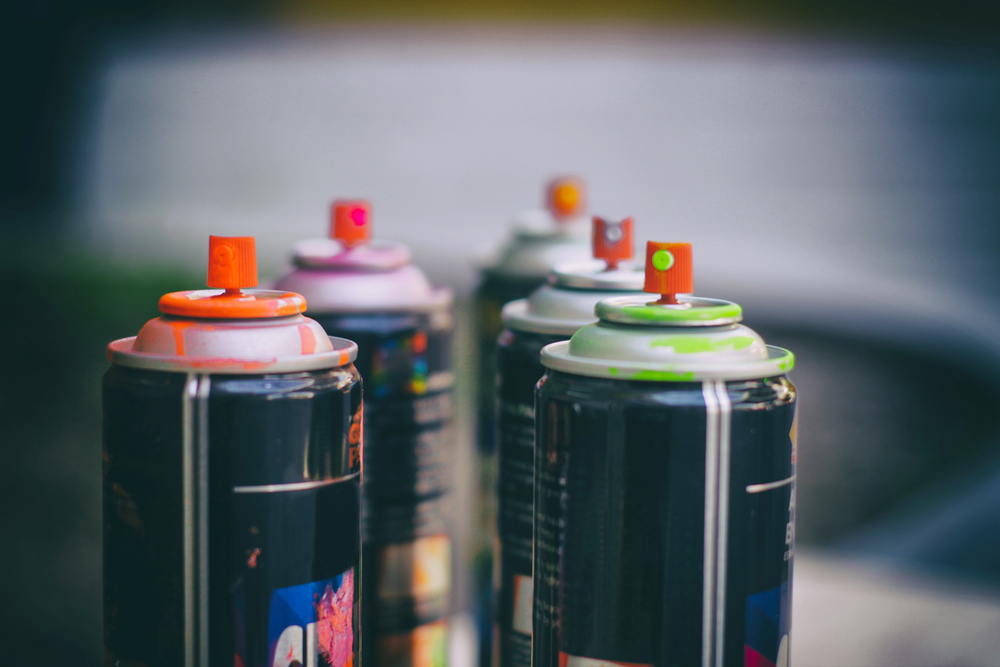
Designing labels for aerosol paint cans is about more than eye-catching graphics. These labels must perform in demanding environments, comply with regulations, and remain legible from production to job site. Whether you’re launching a new product or refining an existing line, following these best practices will help ensure your labels look great and work hard.
1. Design for Durability First
Aerosol paint labels are exposed to solvents, pressure, abrasion, moisture, and frequent handling. Design with this reality in mind. Avoid overly delicate elements and fine details that could wear away. Pair strong design with durable materials and coatings to ensure the label maintains its integrity throughout its lifecycle.
2. Prioritize Readability
Key information—product name, color, usage instructions, safety warnings, and regulatory text—must remain clear and legible. Choose fonts that are easy to read at small sizes and maintain strong contrast between text and background. Avoid overly decorative typefaces for critical information.
3. Plan for Full-Wrap Layouts
Many aerosol paint cans use full-wrap labels, which means your design needs to flow seamlessly around the can. Be mindful of where seams, overlaps, and glue zones will land. Important information should never fall into these areas. A well-planned layout ensures nothing gets lost when the label is applied.
4. Use Color Strategically
Color plays a major role in brand recognition and product differentiation—especially when multiple colors or finishes are offered. Consistent color matching (CMYK and Pantone) is critical so customers can easily identify the correct paint at a glance. Gradients, metallic inks, and specialty finishes can add impact, but they should enhance clarity, not distract from it.
5. Account for Regulatory Requirements
Aerosol paint products are subject to strict labeling regulations. Make sure your design allows adequate space for required warnings, symbols, barcodes, and instructional text. Planning for compliance early prevents costly redesigns later and ensures your product is market-ready.
6. Think About the End User
Your label should be easy to understand for professionals and DIY users alike. Clear instructions, logical information hierarchy, and intuitive color coding improve usability. A label that communicates quickly and clearly builds trust in your product.
7. Collaborate Early with Your Printer
Involving your printer during the design phase can save time and money. A knowledgeable print partner can advise on materials, coatings, glue compatibility, and file setup to ensure your design performs as intended. Prepress support, proofs, and press checks help catch issues before production.
Final Thoughts
The best aerosol paint labels strike a balance between bold branding and functional performance. By designing with durability, readability, compliance, and application in mind, you create labels that don’t just look good on the shelf—but hold up in the real world.
If you’d like help optimizing your aerosol paint label design, working with a printer experienced in wet-glue and full-wrap applications makes all the difference.
👉 Request your FREE label samples today and see the difference for yourself.